Challenges of second and third-generation Bangladeshi migrants in Australia to integrate into multicultural society
The integration of second- and third-generation Bangladeshi migrants in Australia has improved significantly compared to the first generation, reflecting broader trends in multicultural engagement. Growing up within Australia’s social, educational, and cultural systems, these younger generations generally experience smoother integration while still maintaining strong ties to their heritage. I’m including both community-level and family-level improvements, since intergenerational dynamics are crucial in Bangladeshi diasporas.
Key Areas for Improvement
1. Stronger Intergenerational Communication
Challenges:
Parents may hold traditional Bangladeshi values.
Children grow up in an Australian cultural environment.
Misunderstandings arise around identity, freedom, career, and social norms.
What can be improved:
Community-led workshops on intergenerational communication, allowing parents and children to discuss expectations in safe spaces.
Story-sharing programs where parents share migration histories and children express their hybrid identities.
Culturally tailored mediation services to help families navigate conflicts respectfully.
2. Better Cultural Competence for Parents Challenges:
Parents often feel culturally “left out” or unsure how to engage with mainstream Australian customs.
This leads to isolation and limits children’s ability to participate fully in society.
Improvements:
Adult English-language programs that also include Australian workplace culture, social norms, and rights.
Orientation programs specifically for South Asian parents covering:
schooling systems
mental health support
gender norms differences
youth culture in Australia
Encouraging mixed-community events where Bangladeshi parents interact with other cultural groups.
3. Youth Identity Support Challenges:
Second/third-generation youth often feel “in-between”—not fully Bangladeshi, not fully Australian.
Identity confusion can lead to peer pressure issues, conflict with parents, or withdrawal.
Improvements:
Mentorship programs pairing Bangladeshi-Australian youth with older, successful Bangladeshi-Australians.
Safe cultural spaces where youth can celebrate Bangladeshi culture while embracing Australian identity.
Schools partnering with Bangladeshi communities to run cultural awareness weeks, student clubs, and leadership programs.
4. Community Networks & Representation Challenges:
Smaller Bangladeshi communities in Australia may feel overshadowed by larger migrant groups.
Lack of visible media or political representation.
Improvements:
Strengthen Bangladeshi community organisations with government support.
Encourage Bangladeshi-Australian participation in local councils, youth parliaments, and advocacy groups.
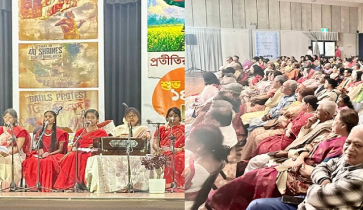
Expand Bangladeshi-run cultural festivals, inviting broader public participation (e.g., Pahela Baishakh, Pohela Falgun, Ekushe February, Bijoy Dibosh etc.).
5. Reducing Stereotypes & Supporting Multicultural Recognition Challenges:
Some Bangladeshi migrants report experiences of racism or being mistaken for other South Asian groups.
This impacts self-esteem and the sense of belonging.
Improvements:
National and local anti-racism education, highlighting the rich diversity within South Asia.
School programs that represent Bangladesh history, language, and culture—not just Indian/Pakistani narratives.
Media representation that includes Bangladeshi-Australian stories, arts, and achievements.
6. Economic Mobility & Skill Recognition for Parents Challenges:
Parents often work below their qualification level due to credential recognition barriers.
This impacts financial stability and restricts children’s socioeconomic opportunities.
Improvements:
Faster and more affordable qualification recognition pathways for migrants.
Bangladeshi-language support for accessing employment services.
More industry-bridge programs linking Bangladeshi professionals with Australian employers.
7. Mental Health & Social Well-being Support Challenges:
Mental health is often stigmatised within Bangladeshi culture.
Migrant parents may hide stress; youth may feel pressure to succeed.
Improvements:
Culturally sensitive counselling services with Bangla-speaking professionals.
Community campaigns normalising mental health discussion.
Workshops on balancing academic expectations with wellbeing, targeted at parents.
Editorial Writer: Sheikh Daiyan