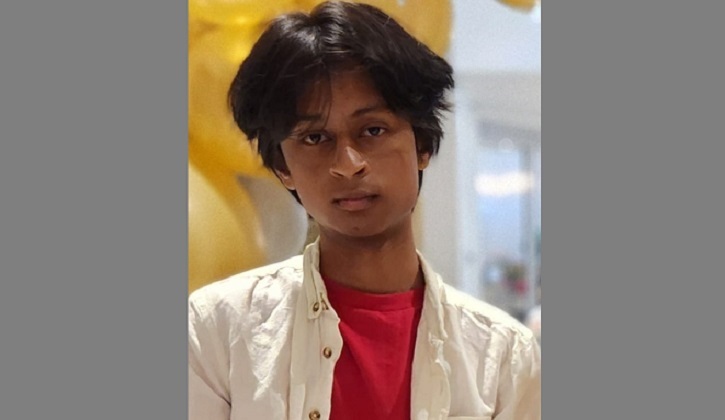
Our Reckoning and challenges as Migrant Australian Bangladeshi Children
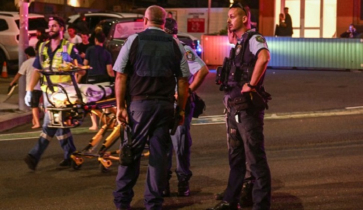
For many young Muslim children from Bangladeshi migrant families, Australia is the only home they have ever known. They attend Australian schools, speak with local accents, and participate in everyday public life. Yet their sense of belonging can remain fragile, particularly when violent events occur in public spaces. Incidents such as the Bondi killings can quietly unsettle these children’s emotional and ethical worlds, even when they do not fully understand what has happened.
Although young children may not grasp the details of such violence, they absorb the emotional shock through adult conversations, media headlines, and changes in behaviour around them. Places that once felt ordinary, such as shopping centres, may suddenly seem unsafe. This disruption challenges a child’s basic sense of predictability and security, making the world feel unpredictable and threatening.
Alongside fear for physical safety, another anxiety often emerges: the fear of being judged. Even when Muslims have no connection to the violence, children from Muslim backgrounds may worry that others will associate them with the tragedy. They may fear uncomfortable questions from classmates or sense that their faith and cultural background are being unfairly scrutinised. This can lead to silence, withdrawal, or self-doubt, particularly when children feel unsure about how to express these concerns.
Emotionally, these children may experience fear, confusion, sadness, and anxiety. They may struggle to understand why people commit acts of violence or feel deep sorrow for the victims and their families. In many migrant households, resilience and quiet strength are highly valued, which can unintentionally discourage children from speaking openly about their feelings. As a result, emotional distress may remain hidden and unresolved.
Beyond emotional pain, children may also face ethical confusion. Questions such as why innocent people are harmed, whether such actions contradict their beliefs, or whether they must explain their religion to others can weigh heavily on young minds. Without guidance, children may internalise guilt or feel an unjust sense of responsibility for events entirely beyond their control. This confusion can blur the distinction between individual wrongdoing and religious or cultural identity.
For children from Bangladeshi Muslim families, these challenges are often intensified by identity conflict. Many already navigate a sense of being “in-between” cultures, balancing home traditions with Australian public life. Violent events can heighten feelings of shame, withdrawal, and uncertainty about belonging, particularly when media narratives feel overwhelming or exclusionary.
Supporting these children begins with reassurance. Adults must clearly communicate that violence against innocent people is always wrong, that such actions do not represent Islam or any community, and that children are not responsible in any way. Open and calm conversations at home are essential. Parents and caregivers should invite questions, listen attentively, and provide honest but age-appropriate explanations. When children feel heard and validated, fear becomes easier to manage.
Managing exposure to distressing media is also crucial. Constant news coverage and social media commentary can intensify anxiety and reinforce harmful stereotypes. Children often take emotional cues from adults, so calm and measured responses help create a sense of stability and safety.
Ethical grounding plays a key role in helping children regain confidence. Adults can remind them that Islam strongly teaches the protection of life, compassion, and justice, and that violence against innocent people is fundamentally opposed to these values. Emphasising shared moral principles across Islam, Bangladeshi cultural traditions, and Australian society reinforces the idea that these children belong fully within the broader community.
Children should also be empowered to respond with dignity if they face questions or comments from others. Simple responses that separate violence from faith can help, but it is equally important for children to understand that they do not owe anyone an explanation for who they are. Choosing silence can be just as valid as speaking.
Schools and community spaces have a vital role in fostering inclusion. When educators address violence as a shared human tragedy rather than a cultural issue, children feel safer and less isolated. Visible role models from Bangladeshi Muslim backgrounds can further strengthen children’s confidence and sense of identity. Community and religious leaders can reinforce messages of compassion, provide safe spaces for discussion, and promote solidarity across cultures.
With appropriate support, young migrant Muslim children can move beyond fear and uncertainty. Rather than internalising suspicion or guilt, they can develop empathy, moral clarity, and confidence. The goal is not to shield children entirely from difficult realities, but to guide them through these experiences with compassion, truth, and ethical clarity. When supported in this way, children can grow up feeling safe and proud of who they are — as Muslims, as Australians, and as members of Bangladeshi heritage communities.
Writer : Sheikh Daiyan